Introduction
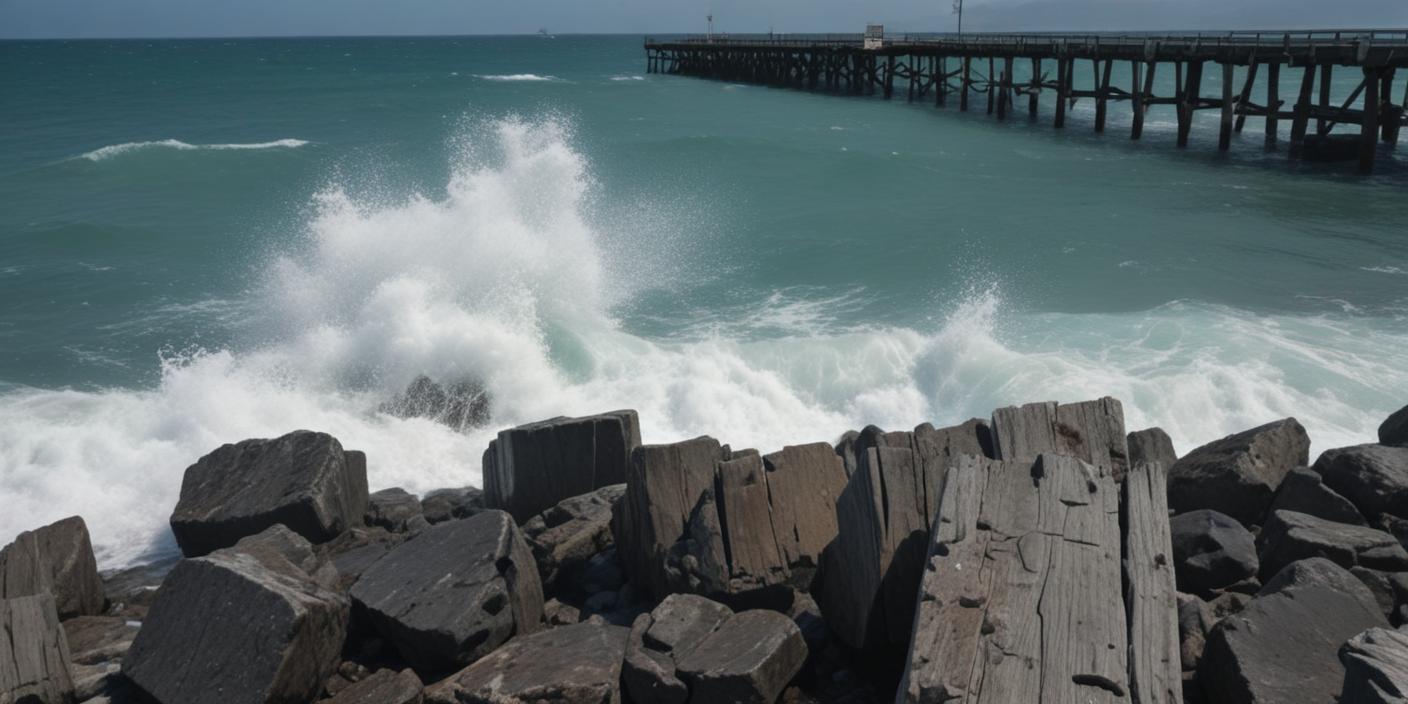
The Mahatma Gandhi statue located on Promenade Beach is one of the most popular landmarks in Puducherry. The statue is majestically situated on the shoreline. The statue is a magnet for hundreds of people to take in its beauty and significance to history.
What makes this landmark interesting is the presence of the eight historical Gingee Pillars surrounding the monument. The granite pillars form an extraordinary link to South Indian architectural heritage and Puducherry’s history as a colonial city, creating a unique cultural landmark along the beachfront that is well-known in the city.
What Are the Gingee Pillars, and Where Did They Come From?
The Gingee Pillars are eight monolithic granite columns that are surrounded by the Gandhi Statue on Promenade Beach. These pillars are from the 16th century and display the beauty of the traditional Dravidian architectural style.
The pillars were originally an element of the temple within the historical part of Gingee Fort. In their time in the French colonial period, they were taken to Puducherry and then preserved as architectural artefacts. The intricate carvings and sturdy granite construction continue to amaze architects and historians as well as tourists.
Some of the key features that make up the Gingee Pillars are the following:
- Monolithic granite construction
- Traditional Dravidian craftsmanship
- Detailed stone carvings
- The historical significance dates back centuries
- A strong architectural and cultural value, as well as a strong cultural
Why Were the Gingee Pillars Placed Around the Gandhi Statue?
The most fascinating aspects of the memorial are the symbolic connections to it and the Gandhi Statue and the Gingee Pillars. The pillars were built centuries before Mahatma Gandhi’s time. They were later added to the style of the monument.
The Gandhi Statue was placed on the Promenade Beach to honour the Father of the Nation and his contributions to the Indian freedom movement. The ancient pillars were set in front of the monument to form an impressive architecture that combines tradition with culture and pride in the nation.
- The rich heritage of India’s culture
- Legacy of Mahatma Gandhi
- The preservation of historic architecture
- An amalgam of modern and ancient history
- Puducherry’s unique cultural identity
How Do the Gandhi Statue and Gingee Pillars Reflect Puducherry’s Heritage?
Puducherry is famous for its unique blend of Indian traditions as well as French Colonial influences. The Gandhi Statue, as well as the Gingee Pillars, perfectly illustrates the mix of cultures.
The pillars are a representation of ancient South Indian craftsmanship, while their removal during the colonial era highlights the city’s connection to French rule. The Gandhi Statue, in turn, represents India’s struggle to achieve the nation’s independence and unity.
The monument is often viewed as a symbol of three major historical time periods:
- Ancient South Indian civilization
- French colonial heritage
- Modern independent India
Why Is This Monument Popular Among Tourists?
The Gandhi Statue and Gingee Pillars are among the most frequented tourist attractions in Puducherry. The monument is situated along the beautiful Promenade Beach. This monument has breathtaking panoramas over the Bay of Bengal while providing visitors with an insight into the city’s rich history.
Visitors to the site come for a variety of reasons:
- Historical significance
- Architectural beauty
- Opportunities to photograph
- Cultural significance
- Beachfront location
- Heritage exploration
The site is stunning when it is lit up at dawn and during evening hours when tourists gather along the promenade to take in the beach atmosphere.
Conclusion
The link to the Mahatma Gandhi Statue and Gingee Pillars is an interesting illustration of how history, as well as architecture and culture, can be incorporated into an iconic landmark. The pillars symbolise an era of Dravidian work, and the statue pays tribute to one of India’s most influential leaders.
Together, these landmarks are now an emblem of the city’s distinctive identity. If you are interested in the city’s rich history, visiting the famous Puducherry site is an unforgettable tour of India’s rich architectural and historical heritage.
FAQs
1. What are the Gingee Pillars?
The Gingee Pillars are eight granite pillars in monolithic form that surround the Gandhi Statue on Promenade Beach.
2. How did Gingee Pillars originate?
It is believed that they originate from the Gingee region and are connected with temples built in the past.
3. What is the significance of the pillars?
They are a representation of 16th-century Dravidian workmanship and historical legacy.
4. Who is acknowledged with the Gingee Pillars?
The statue pays tribute to Mahatma Gandhi, who was the Father of our Nation.
5. The reason why the pillars were set on the sculpture?
They were added to create a magnificent heritage site and preserve the historic architectural styles.
6. Where is the Gandhi Statue located?
It is situated on the Promenade Beach in Puducherry.
7. Can the Gingee Pillars be made from a single stone?
Each pillar is made of monolithic granite.
8. What is it that makes the monument so famous?
It is a blend of architecture and history, along with culture and scenic views of the coast.
9. Is the site popular with visitors?
It is indeed one of the most visited Puducherry tourist attractions.
10. What is the significance of the monument?
It represents the link between the long-standing South Indian heritage, colonial times, and modern India.